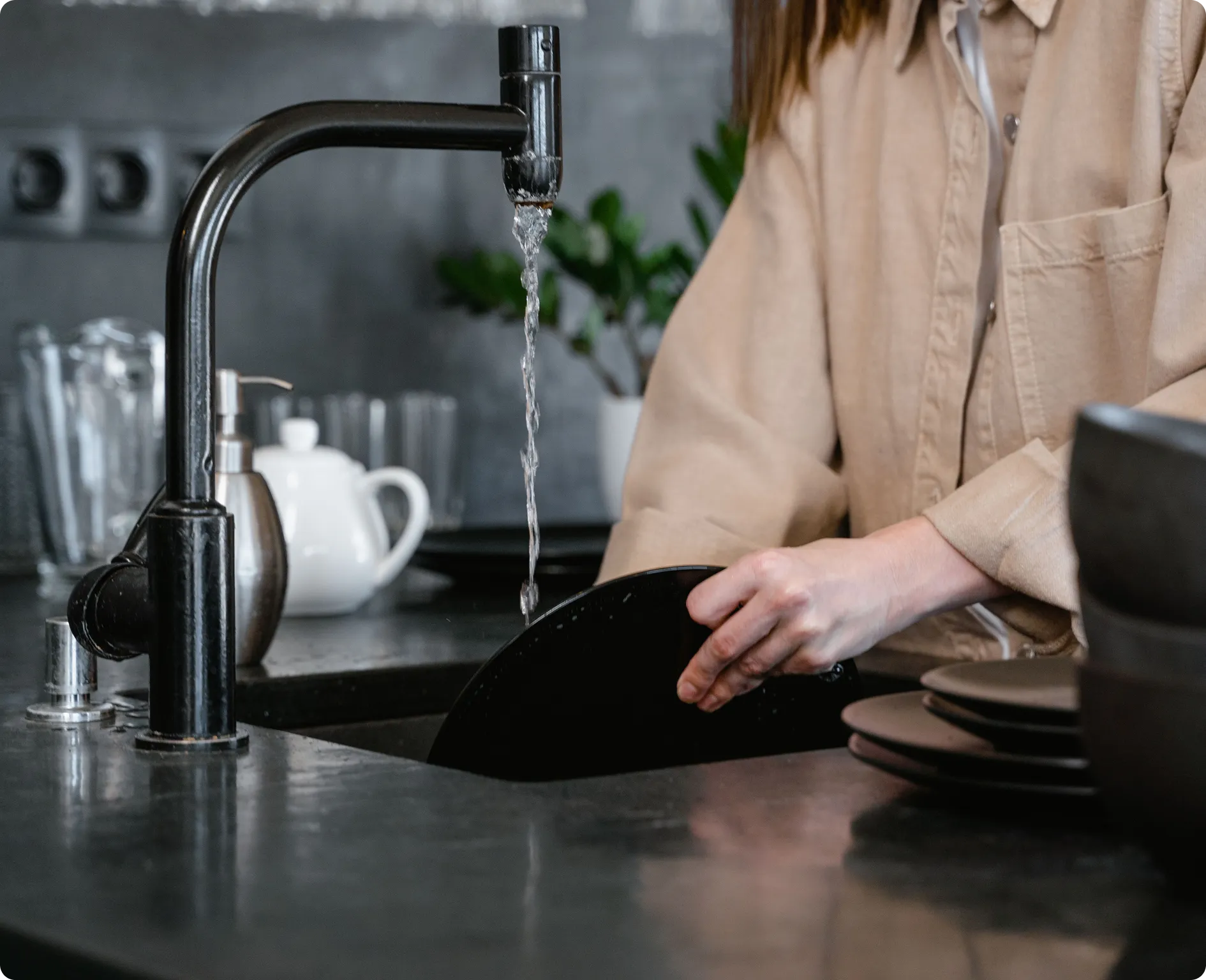
1. Find the pipes that sit in unheated space
Lofts, garages, crawl spaces, the run behind an external wall and anything under a suspended floor are where pipes freeze first. Walk the house once with a torch before the weather turns and note every length of pipe that is not surrounded by heated air. Those are the ones that need attention; the rest largely look after themselves.
2. Drain and disconnect the outside taps
Detach every hose, open the outside tap fully, then close the indoor isolation valve that feeds it and leave the outside tap open over winter. Water trapped between a closed valve and a connected hose has nowhere to expand, and an outside tap is the single most common place a freeze does its damage.
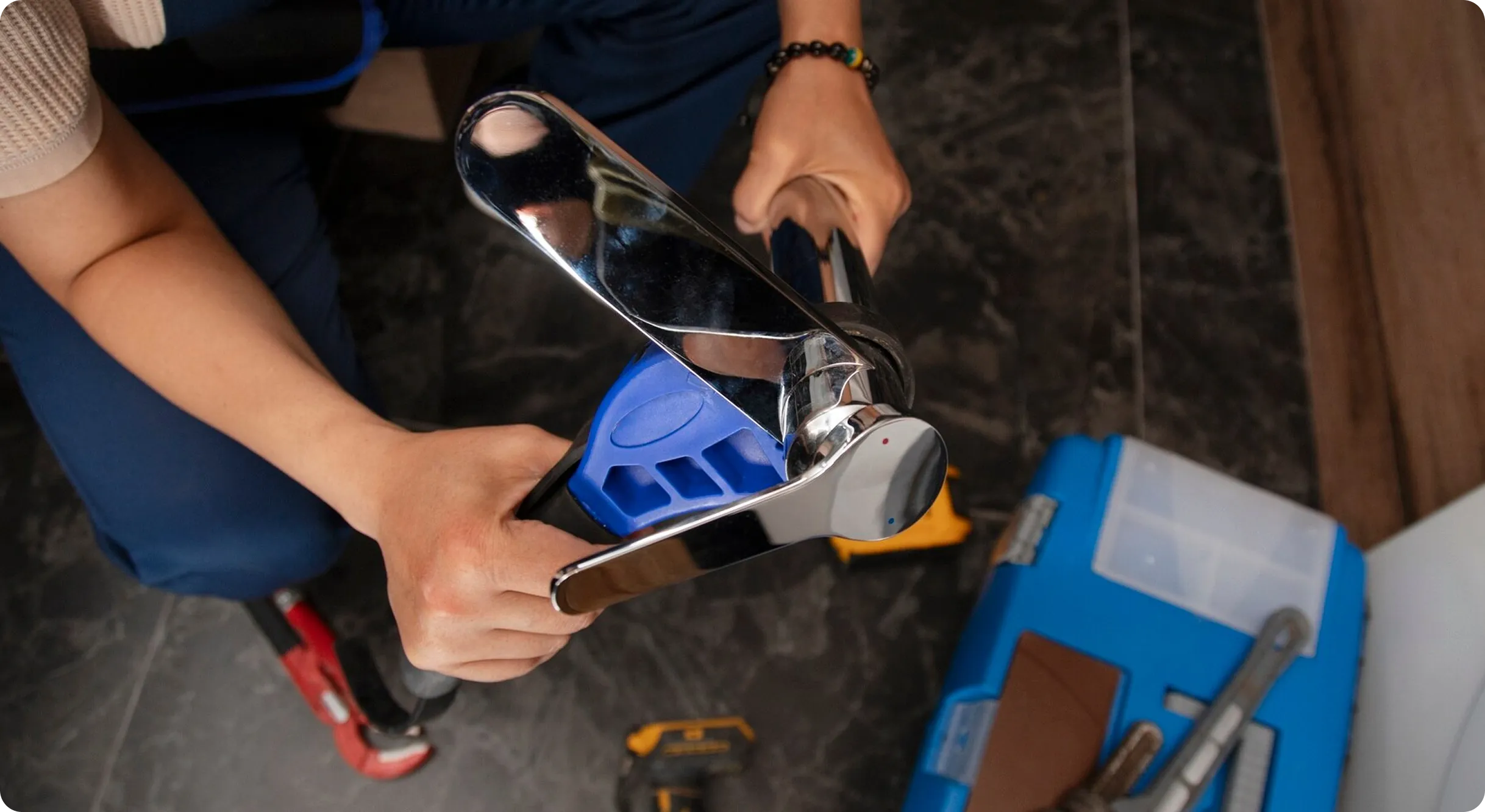
3. Lagging only works where it actually covers
Foam sleeve insulation is inexpensive and effective, but it protects exactly the length of pipe it wraps and nothing more. The gaps people leave — at bends, at valves, where the pipe passes through a joist — are precisely the spots that freeze, because that is where the metal is most exposed.
Cut the sleeves to fit the bends rather than leaving them short, and tape the seams. A continuous run of cheap lagging beats an expensive product fitted with gaps in it.
4. Let a tap trickle on the coldest nights
On the handful of nights each winter when the temperature really drops, open the tap furthest from the stopcock just enough for a steady drip. Moving water is far harder to freeze than still water, and the trickle also relieves the pressure that actually splits the pipe when ice does form.
“A pipe rarely bursts at the spot where it froze. It bursts between the ice and the closed tap, where the pressure has nowhere left to go.”
5. Know where your stop tap is before you need it
Find the main shut-off now, check it turns, and make sure everyone in the house knows where it is. A seized stopcock discovered during a burst is a much worse problem than a seized stopcock discovered in October.
If you are going away over winter, either leave the heating on a low setting or drain the system down properly. An empty house at four degrees for a fortnight is how most serious freeze damage happens.

Pipewise Team
Field notes from licensed technicians